
World News
The Who Part Ways with Drummer Zak Starkey: A Reflective Goodbye After Nearly 30 Years

Apr
The recent departure of Zak Starkey from The Who marks the end of an era for one of rock’s most iconic bands. Starkey, who had been the band’s drummer since 1996, has played a significant role in shaping the sound of The Who during his tenure. His exit after nearly three decades of music history has not only stirred emotions among fans but has also prompted the band to reflect on the rich history they’ve created together. Starkey’s departure follows a series of personal and professional challenges, including a recent health scare and internal band conflicts. This article explores the circumstances surrounding Starkey’s exit from the band, his legacy, and the impact of this change on both him and the legendary rock group.
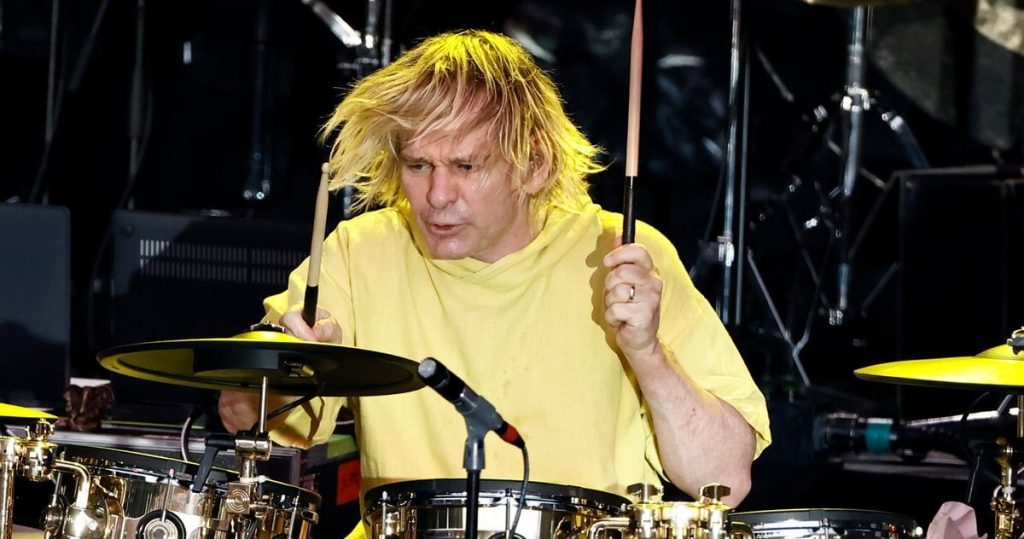
Zak Starkey’s Journey with The Who
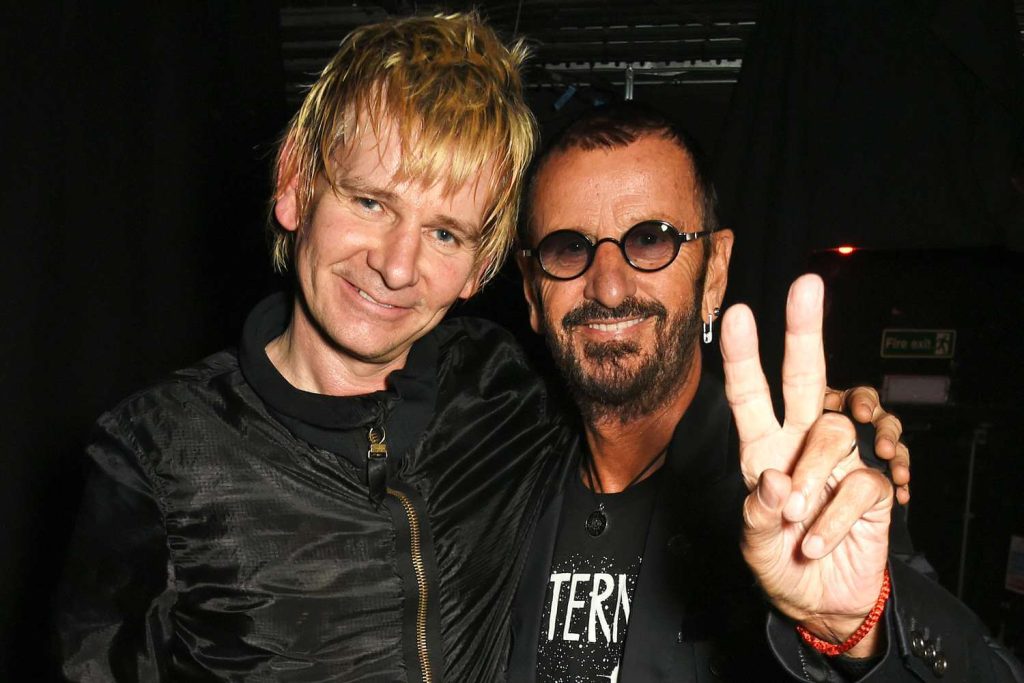
Zak Starkey’s association with The Who began in 1996, when he was invited to join the band, stepping in to fill the formidable shoes of the legendary Keith Moon, The Who’s original drummer. Moon, known for his wild antics and explosive drumming style, left a lasting legacy that was difficult to replicate. However, Starkey, the son of Ringo Starr of The Beatles, brought his own unique flair and dedication to the band, making an indelible mark on The Who‘s subsequent albums and live performances.
In an emotional statement following his departure, Starkey reflected on his time with the band: “I’m very proud of my near thirty years with The Who,” he said. “Filling the shoes of my Godfather, ‘uncle Keith’ has been the biggest honor, and I remain their biggest fan. They’ve been like family to me.” His sentiment speaks to the deep bond he formed with the band, particularly with founding members Roger Daltrey and Pete Townshend. Starkey’s commitment to preserving the legacy of The Who, while still injecting his own style into the music, solidified his position as a crucial member of the band.
The Health Scare: A Turning Point
Zak Starkey’s departure comes on the heels of a significant health scare earlier this year. In January 2025, Starkey suffered a serious medical emergency involving blood clots in his right calf, an event that took him by surprise. However, Starkey was quick to assure fans and band members alike that the situation had been resolved and did not affect his ability to drum or perform physically. He expressed that the health scare was a wake-up call for him, a reminder of the importance of self-care and well-being in the demanding life of a touring musician.
Although Starkey’s medical condition was fully healed, the experience led him to reassess his life and priorities. “This is now completely healed and does not affect my drumming or running,” he stated. Despite his recovery, it became clear that the physical and emotional toll of a life on the road was beginning to weigh heavily on him. The decision to step away from The Who was likely influenced by a combination of personal health concerns and a desire for a new chapter in his life, beyond the relentless pace of touring and performing.
Internal Conflicts and the Band’s Future
In addition to his health issues, Starkey’s departure seems to have been influenced by internal band dynamics, including tensions that may have arisen during recent performances. While the specifics of these conflicts have not been publicly disclosed, sources close to the band suggested that the pressure of maintaining a legacy while facing personal and professional challenges led to a strained atmosphere. A particular point of contention appeared to stem from the band’s recent performances, where Starkey’s role was reportedly diminished, and the overall creative direction of The Who was in flux.
The remaining members of the band, Pete Townshend and Roger Daltrey, have expressed their sadness at Starkey’s decision to leave but acknowledged that every musician must eventually forge their own path. Townshend, in particular, praised Starkey for his contribution to the band’s success, stating that Starkey’s ability to balance the demands of being both a technical and creative force within the band was unparalleled. Daltrey, meanwhile, emphasized the band’s need to adapt to a changing musical landscape, suggesting that Starkey’s departure may open new creative possibilities for The Who in the future.
The Legacy of Zak Starkey and What’s Next for The Who
Zak Starkey’s departure from The Who marks the end of a remarkable 30-year run, one that is filled with memorable performances, significant albums, and a lasting influence on rock music. While Starkey will undoubtedly remain associated with The Who and his father’s legendary legacy, his departure opens the door for new possibilities both for him and the band.
Looking ahead, The Who faces the challenge of continuing without one of their longest-standing members. However, the band has demonstrated an ability to evolve and adapt over the years, often reshaping their lineup without compromising their distinctive sound. Starkey’s exit may lead to new opportunities for fresh collaborations, and fans will be eagerly watching to see how the band chooses to move forward with their music and live performances. For Starkey, this chapter may be the beginning of new musical endeavors, possibly involving collaborations with other musicians or even a return to his own solo projects.
Conclusion: A Bittersweet Farewell
The end of Zak Starkey’s tenure with The Who is undoubtedly a bittersweet moment for both the band and its fans. Starkey’s time with the group was marked by immense musical contributions and personal growth, and his exit after nearly three decades leaves a significant void. While Starkey will forever remain part of The Who‘s storied history, his departure serves as a reminder that all musical journeys must evolve, and sometimes, the best thing for an artist is to pursue new directions. As The Who prepares for the next chapter, fans will reflect on the legacy of Zak Starkey, a drummer whose talent and dedication helped carry the band through some of its most celebrated years.
From torunstyle
