
World News
The Last of Us Season 3: HBO’s Bold 2027 Vision and What It Means for Fans
Jul
Premiere in 2027: The Long Wait Explained
HBO has officially confirmed that The Last of Us Season 3 will premiere in 2027, sparking both anticipation and frustration among its loyal fanbase. The announcement, made by HBO’s Chief Content Officer Casey Bloys, sets a three-year gap following the second season’s release in spring 2025. This timeline mirrors the gap between Season 1 and Season 2 and seems to indicate HBO’s commitment to a high-quality, deliberate production process. Still, many fans are concerned that such a lengthy wait could dilute the momentum the show has built.
Craig Mazin, who remains the sole showrunner for the series following Neil Druckmann’s exit from the television adaptation, emphasized the complexity of translating the emotional and narrative weight of the game’s second part into television. His comments indicate that the third season’s production will be deeply nuanced, necessitating ample time for scripting, casting, and filming. According to Bloys, the production team is still determining whether to encapsulate the remaining story in one extended season or stretch it across two additional seasons. This uncertainty, paired with the time-consuming development required to maintain the series’ high standards, explains the considerable delay.
The decision to release the third season in 2027 also aligns with HBO’s larger strategy of event television—spaced-out but immensely impactful series that captivate audiences when they finally arrive. Yet, not all fans are thrilled with the extended timeline. Online forums have been ablaze with mixed reactions. While many applaud HBO for prioritizing quality over speed, others argue that this long hiatus may test viewers’ patience and attention spans in a crowded streaming landscape. Still, the studio appears confident that the show’s dedicated audience will return—especially given the high critical acclaim and cultural relevance of its earlier seasons.

Abby Takes the Spotlight: A New Protagonist Emerges
One of the most defining changes in The Last of Us Season 3 is the shift in narrative focus. The story will now pivot to Abby, portrayed by Kaitlyn Dever, whose character arc becomes central in the upcoming season. This narrative choice marks a bold step away from the Ellie-centric storytelling that dominated the first two seasons. Abby’s story, which aligns with the controversial yet emotionally rich direction of The Last of Us Part II video game, is poised to challenge viewer loyalties and redefine the series’ emotional center.
In Season 2, Abby was introduced in the wake of Joel’s shocking and emotionally charged death—a turning point that fractured fan opinion but deepened the show’s moral complexity. Season 3 is expected to dive headfirst into Abby’s experience post-revenge, her background with the W.L.F., and her grappling with grief, guilt, and personal growth. According to showrunner Craig Mazin, Abby’s journey will likely begin at the W.L.F. base in Seattle, mirroring her in-game story arc and allowing for deep exploration of new characters, settings, and ethical dilemmas.
Kaitlyn Dever, already praised for her intense and grounded performance, is now being framed as the “hero of her own story.” This thematic reframing could be the key to earning Abby greater empathy from viewers, many of whom struggled with her actions in Season 2. The show’s writers appear committed to making Abby’s path feel authentic, raw, and ultimately redemptive. By flipping the script and encouraging audiences to see the conflict from multiple perspectives, The Last of Us aims to continue its reputation for layered, mature storytelling. The success of this character pivot will largely determine the reception of Season 3.
Creative Transitions: Craig Mazin’s Solo Leadership
A notable development for The Last of Us Season 3 is the departure of Neil Druckmann from the television side of the franchise. While Druckmann will still influence the world through his work at Naughty Dog and future game development, Craig Mazin is now the lone showrunner guiding the series forward. This creative transition marks a critical inflection point. Druckmann’s storytelling DNA, deeply embedded in both seasons, provided continuity and authenticity with the original games. Now, Mazin must carry that torch solo.
Fortunately, Mazin has proven himself as a skilled storyteller with a firm grasp on emotional pacing and character development. His previous work on Chernobyl and the first two seasons of The Last of Us demonstrates his capacity for managing heavy themes, narrative twists, and ensemble casts. Still, the absence of Druckmann might raise questions about how closely Season 3 will stay aligned with the spirit and intent of the source material. Mazin has hinted that he’s still in touch with Druckmann and values his insights, but the day-to-day vision now rests squarely on Mazin’s shoulders.
According to HBO’s Casey Bloys, Mazin is currently mapping out the season and deciding whether to divide the remaining storyline into two seasons or conclude with a single, extended arc. This decision will impact not just production timelines but also narrative depth and pacing. A longer, divided approach may allow for more thorough character development and world-building, while a condensed format might keep the story tight and impactful. Either way, Mazin’s leadership will be under intense scrutiny as fans await the final chapters of this emotionally rich saga.

Returning Cast and Flashbacks: Expanding the Emotional Canvas
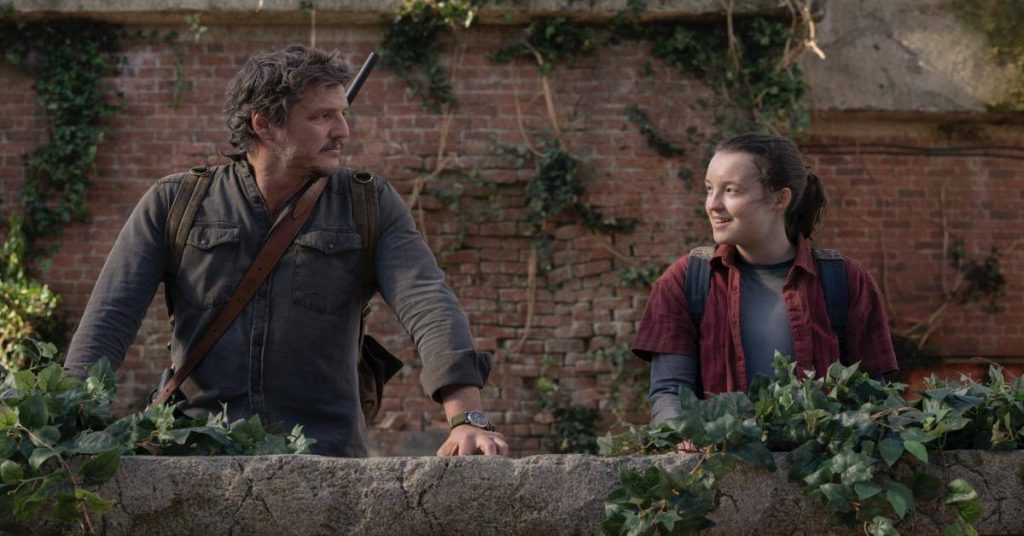
Despite the narrative focus shifting to Abby, fans can rest assured that many familiar faces will return in The Last of Us Season 3. Bella Ramsey (Ellie) and Isabela Merced (Dina) are both expected to reprise their roles, maintaining the emotional throughline of the series. Ellie’s story, far from over, remains intertwined with Abby’s, particularly in light of the themes of vengeance, forgiveness, and identity explored in Season 2.
Flashbacks will play a pivotal role in the upcoming season, particularly in exploring Abby’s backstory and humanizing her motives. These narrative devices have been used to great effect in earlier seasons, offering layered perspectives and fleshing out characters in poignant, sometimes heartbreaking ways. Flashbacks could also open the door for deceased characters—like Joel—to make appearances, offering fans emotional catharsis and further insight into pivotal moments that shaped the characters’ paths.
This approach adds richness to the storytelling while honoring the legacy of beloved characters. It also allows the show to remain grounded in the emotional reality that has been its hallmark. By balancing past and present, the writers can create a multidimensional narrative that challenges viewers’ perceptions and reinforces the show’s central themes. As Season 3 delves deeper into character development and emotional nuance, it’s likely to continue blurring the lines between hero and villain, justice and revenge—forcing audiences to engage with the moral complexity that defines the series.
The Last Of Us Endure And Survive Limited Edition 40oz Tumbler
Audience Reaction and Cultural Impact: Navigating the Buzzkill Debate
The announcement of a 2027 premiere and a new narrative focus has sparked significant discourse among fans and critics alike. Some view the delay as a testament to HBO’s commitment to quality, while others fear the momentum may be lost in a crowded entertainment landscape. Online forums, Reddit threads, and entertainment columns have been buzzing with polarized opinions. Critics at Decider even labeled the news a “buzzkill,” citing concerns about audience retention and shifting storytelling focus.
However, others argue that The Last of Us has earned the right to take its time. Its careful character development, narrative depth, and cinematic production value set it apart from the typical franchise fare. For many fans, the promise of a well-crafted continuation—even if delayed—is preferable to a rushed product that sacrifices quality. This perspective aligns with HBO’s broader strategy of investing in “event” content—fewer seasons, higher stakes, and long-lasting cultural impact.
Moreover, the decision to center Abby’s story reflects a bold narrative risk—one that, if executed well, could redefine how audiences perceive character arcs and storytelling structures in prestige television. It pushes the boundaries of empathy and challenges viewers to grapple with uncomfortable truths. In an era dominated by reboots and formulaic storytelling, The Last of Us continues to offer something unique: a story that is emotionally resonant, morally complex, and unafraid to evolve.
The next few years will determine whether HBO’s gamble pays off. But if past seasons are any indication, the show’s blend of powerful performances, meticulous storytelling, and cultural resonance will ensure that Season 3, whenever it arrives, will be worth the wait.
From torunstyle
