
World News
The Bitter Feud Between Betty White and Bea Arthur: Behind the Scenes of The Golden Girls
Jun
Introduction:
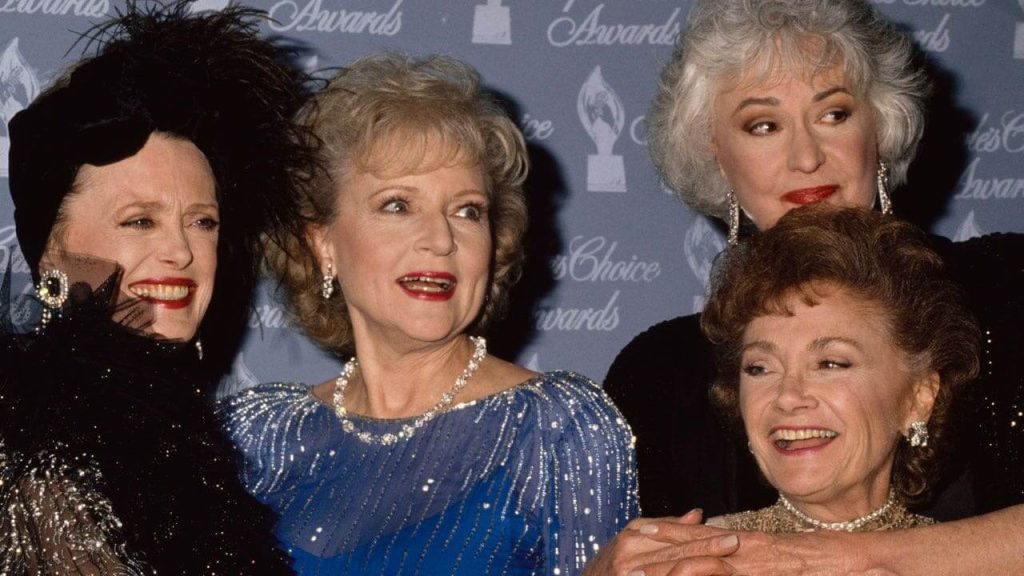
The Golden Girls, one of television’s most beloved sitcoms, captivated audiences with its witty dialogue, memorable characters, and heartwarming relationships. Yet, behind the scenes, the chemistry between its stars was not always as harmonious as it appeared on screen. A longstanding and often discussed tension existed between two of the show’s leading ladies: Betty White and Bea Arthur. While the on-screen rivalry between their characters, Rose Nylund and Dorothy Zbornak, was central to the show’s charm, the real-life feud between White and Arthur was far more intense than most viewers ever realized.
This article delves into the famous feud between these two icons of television history, uncovering the source of their tension, the moments that heightened the rift, and the aftermath of their time on The Golden Girls. By exploring their contrasting personalities and the unique dynamics of the show’s set, we gain insight into the complexities of working alongside legendary talent and how differences in personal philosophies can affect professional relationships.
The Rise of The Golden Girls and the Initial Chemistry Between Betty White and Bea Arthur
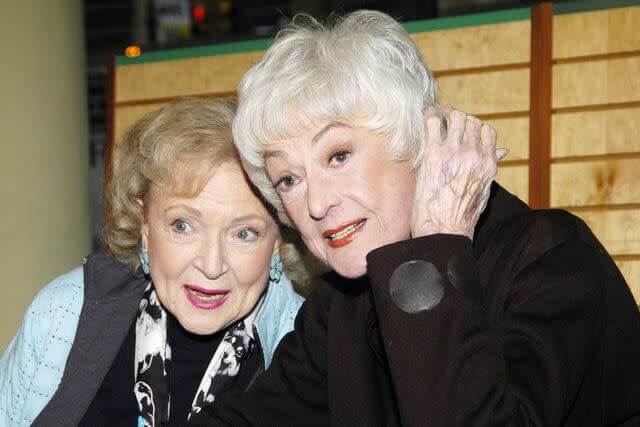
When The Golden Girls premiered in 1985, it quickly became a television sensation, revolutionizing the portrayal of older women in sitcoms. The show followed the lives of four women in their golden years—Blanche Devereaux, Dorothy Zbornak, Rose Nylund, and Sophia Petrillo—living together in a Miami house and navigating the ups and downs of life. The ensemble cast included Bea Arthur as Dorothy, Betty White as Rose, Rue McClanahan as Blanche, and Estelle Getty as Sophia.
At the outset, the chemistry between White and Arthur appeared to be perfectly in sync. Both women were seasoned television veterans, and their performances on the show were central to its success. Arthur, known for her sharp wit and commanding presence, played Dorothy with a mixture of sarcasm and vulnerability. Meanwhile, White’s portrayal of Rose, the naïve and often clueless character, added a comedic foil to Arthur’s strong-willed Dorothy.
Despite the professional camaraderie that existed when the show started, things began to shift as the production continued. While the pair initially got along well on set, the contrasting personalities of White and Arthur began to create tension, leading to what would eventually become a well-known feud.
The Growing Tensions: Clashing Personalities and Professional Differences
The friction between White and Arthur wasn’t rooted in any single incident but rather in their differing personalities and work styles. Bea Arthur was known for her professionalism, which often veered into a no-nonsense attitude. She had little patience for what she perceived as unnecessary antics or overly lighthearted behavior on set. Betty White, on the other hand, had a famously bubbly and upbeat personality, often taking a more lighthearted approach to her work and enjoying the playful aspects of the production.
One of the primary sources of tension was their approach to humor. Arthur, a Broadway veteran, had a much more serious and disciplined background, and she believed that comedy should come from a place of emotional depth and timing. White, who had a more improv-driven comedic style, was often more spontaneous and freewheeling in her approach to scenes. This created a rift, as Arthur would frequently criticize White for not taking the work seriously enough, while White felt Arthur was too rigid and inflexible in her approach to their scenes.
In interviews, White later acknowledged the tension between them, admitting that Arthur often came across as cold and critical. However, she also mentioned that she never took it personally, understanding that Arthur’s intense commitment to her craft was part of who she was. Nonetheless, the strain between the two became evident to other members of the cast and crew, and it was widely known that their relationship was less than cordial.
The Impact of Their Feud on Set: Behind the Scenes Drama
The feud between Betty White and Bea Arthur was not only a personal matter but also affected the dynamics of the Golden Girls set. While the actresses did their best to maintain professionalism on camera, their strained relationship often led to uncomfortable moments behind the scenes. Reports from the cast and crew describe a tense atmosphere during breaks and off-camera moments. There were even instances where the two would engage in passive-aggressive behavior, and their differences were impossible to ignore.
This tension wasn’t solely a result of differing personalities. As the show’s popularity grew, so did the pressure on the cast to deliver consistent performances. The competitive nature of the show’s success likely contributed to the growing divide between White and Arthur. It’s also worth noting that Arthur, as the primary star of the show, had a significant amount of control over her character’s development and storylines, while White’s character, Rose, often played a secondary role.
Many of the Golden Girls cast members, including Rue McClanahan and Estelle Getty, tried to mediate between the two, but their efforts were often in vain. McClanahan, who played the sultry and mischievous Blanche, later recounted in interviews that the two actresses had “a bit of a rivalry” but emphasized that it was mostly a product of their differences rather than any overt animosity.
Despite this, McClanahan also acknowledged that Bea Arthur’s “tough exterior” often made it difficult for others to get close to her, creating a sense of isolation on set. Betty White, in contrast, was well-liked by everyone and was often seen as the life of the party. However, even White admitted that working with Arthur could be emotionally taxing due to the tension that lingered during filming.
The Aftermath: Betty White and Bea Arthur’s Reconciliation (or Lack Thereof)
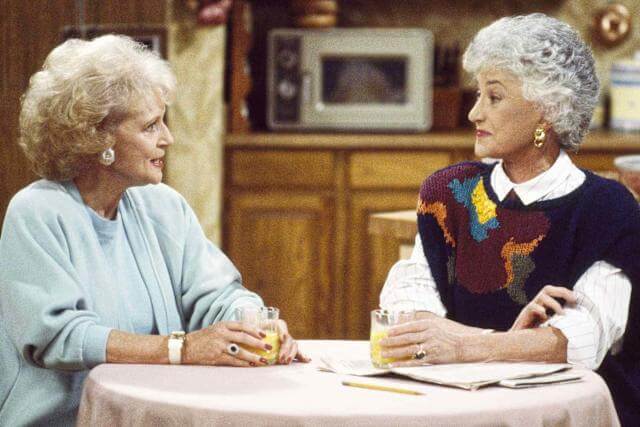
While the tension between Betty White and Bea Arthur was palpable during the show’s run, the question remains whether the two ever reconciled. In various interviews, White has expressed her admiration for Arthur’s talent and dedication to her craft. However, she has also been candid about their differences, explaining that their personalities were simply not compatible.
Bea Arthur, on the other hand, was much more reserved in discussing her relationship with White. After the show ended in 1992, Arthur distanced herself from the spotlight and rarely commented on her personal relationships with her co-stars. However, it is clear that their differences were never fully resolved. Arthur’s death in 2009 and White’s subsequent reflection on their time together shed light on the complexity of their relationship.
White, in interviews after Arthur’s passing, spoke with fondness and respect for her late co-star, acknowledging that despite their differences, she recognized Arthur as a talented and groundbreaking actress. White often noted that she cherished their time working together, even though it was sometimes challenging. It appears that, despite the tension, the two actresses respected each other’s work and legacy, though their personal relationship remained distant.
Conclusion: Legacy and Lessons from the Betty White and Bea Arthur Feud
The feud between Betty White and Bea Arthur remains one of the more fascinating aspects of The Golden Girls legacy. While their on-screen portrayals of Rose and Dorothy were marked by sharp humor and memorable banter, their real-life relationship was anything but smooth. The clash of their personalities—Arthur’s reserved, professional demeanor and White’s bubbly, spontaneous nature—created a divide that neither actress seemed eager to bridge fully.
Despite the behind-the-scenes drama, the success of The Golden Girls was undeniable. The show has endured as one of the most beloved sitcoms in television history, in large part due to the strength of its cast. While Betty White and Bea Arthur’s personal tensions may have created challenges during filming, their professional commitment to their roles contributed to the show’s unparalleled success.
As we reflect on their careers, the feud between White and Arthur offers a valuable lesson in the complexities of working with others. It reminds us that even the most talented and iconic figures can clash when their personalities and approaches differ. However, it also serves as a testament to the power of professionalism and the ability to set aside personal differences for the sake of creating something meaningful.
From torunstyle
