
World News
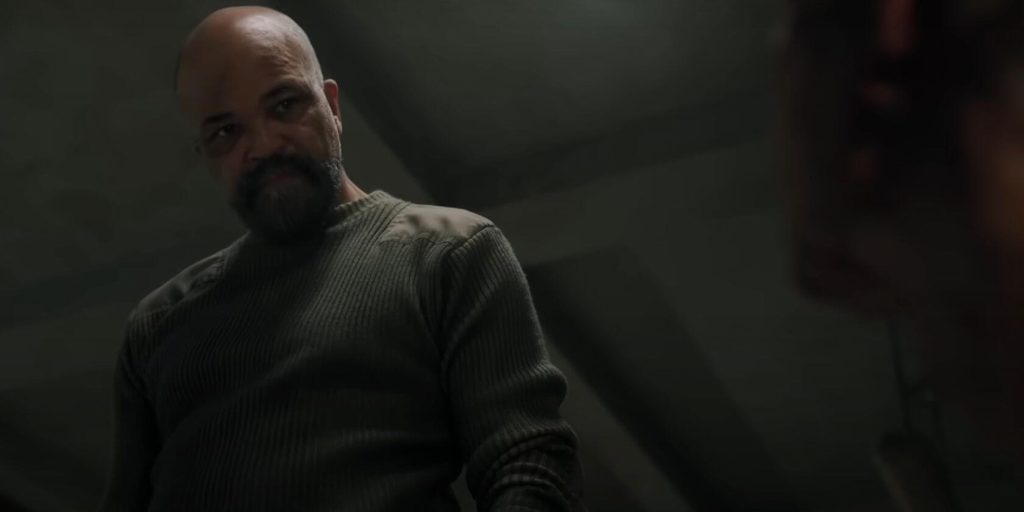
Isaac Dixon Unveiled: Jeffrey Wright’s Commanding Return in The Last of Us Season 2

May
From Game to Screen: Jeffrey Wright’s Seamless Transition
In HBO’s The Last of Us Season 2, Jeffrey Wright reprises his role as Isaac Dixon, a character he originally brought to life through voice and motion capture in the acclaimed video game The Last of Us Part II. This casting choice marks a rare and commendable continuity between the game and its television adaptation, allowing Wright to delve deeper into Isaac’s complex persona. His portrayal adds a layer of authenticity and depth, bridging the interactive and cinematic experiences for fans.

Isaac Dixon’s Origins: A Defector’s Rise to Power
Isaac Dixon’s journey begins as a disillusioned sergeant within FEDRA, the authoritarian regime controlling Seattle’s quarantine zone. Witnessing the oppressive tactics and loss of civil liberties, Isaac becomes increasingly disenchanted. In a pivotal moment, he betrays his fellow soldiers, orchestrating a deadly ambush that marks his defection. This act of rebellion sets the stage for his emergence as the formidable leader of the Washington Liberation Front (WLF), a militia group striving to establish order amidst chaos.
The WLF and the Seraphites: A Brutal Power Struggle
Under Isaac’s command, the WLF becomes a dominant force in Seattle, characterized by its militaristic structure and uncompromising tactics. Their primary adversary, the Seraphites—or Scars—is a religious cult with its own rigid doctrines. The ensuing conflict between these factions is marked by extreme violence and ideological fervor. Isaac’s leadership style, while effective, is ruthless; he employs torture and execution to maintain control and suppress dissent, reflecting the moral ambiguities that permeate the post-apocalyptic landscape.
Expanding the Narrative: Isaac’s Enhanced Role in the Series
While Isaac’s presence in the original game was relatively limited, the television adaptation offers a more comprehensive exploration of his character. The series delves into his backstory, motivations, and the psychological toll of his leadership. Scenes depicting his interactions with both allies and enemies reveal a man grappling with the burdens of command and the consequences of his choices. This expanded portrayal provides viewers with a nuanced understanding of Isaac, transforming him from a mere antagonist into a multifaceted figure shaped by circumstance and conviction.
Jeffrey Wright’s Impact: Elevating the Series Through Performance
Jeffrey Wright’s embodiment of Isaac Dixon stands as a testament to his acting prowess. His performance captures the character’s stoicism, internal conflict, and underlying humanity, offering a compelling portrayal that resonates with audiences. Wright’s return not only honors the source material but also enriches the narrative, contributing to the series’ exploration of complex themes such as power, morality, and survival. As The Last of Us continues to unfold, Isaac’s character arc, as portrayed by Wright, promises to be a pivotal element in the evolving story.
From torunstyle
