
World News
Outlander: Blood of My Blood and Romeo and Juliet: A Tale of Star-Crossed Love and Destiny
Jul
The Power of First Encounters: From Outlander to Romeo and Juliet
First encounters between lovers have always been a central theme in literature, film, and television. These moments, filled with passion, tension, and the promise of what’s to come, often serve as pivotal turning points in a story. One of the most iconic depictions of a first meeting between star-crossed lovers is in William Shakespeare’s Romeo and Juliet, where the two protagonists meet at a party and are instantly captivated by each other, despite the deep-rooted family feud that will ultimately tear them apart. This theme of forbidden love, dictated by fate and circumstance, has been replicated and reimagined in countless works over the centuries, including in the Outlander series, particularly in Outlander: Blood of My Blood.
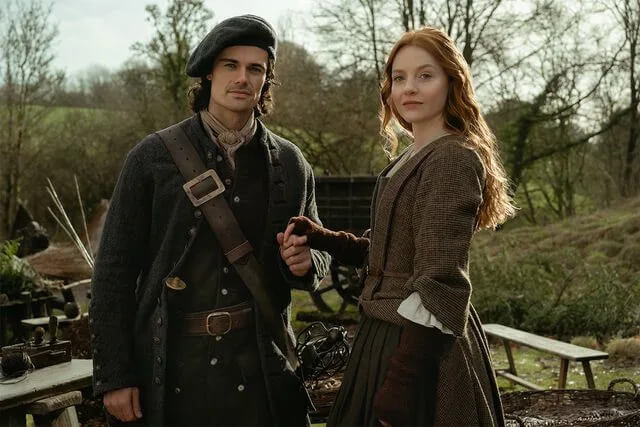
In Outlander: Blood of My Blood, the first meeting between the protagonists carries a similar weight, filled with an undeniable attraction and the promise of a deep, transformative connection. Though the circumstances differ from those of Romeo and Juliet, the emotional impact of the moment is reminiscent of the timeless tension that has captivated audiences for generations. In both stories, love blooms under the shadow of familial conflict, with the characters caught between their desires and the consequences of their unions.
As we explore this first meeting in Outlander, we can see the thematic connections to Romeo and Juliet, particularly the elements of fate, passion, and the role of external forces in shaping the characters’ destinies. These common threads show how the archetype of star-crossed lovers continues to resonate with audiences, whether in classic literature or modern-day dramas.
Forbidden Love: The Outlander Connection to Shakespeare’s Masterpiece
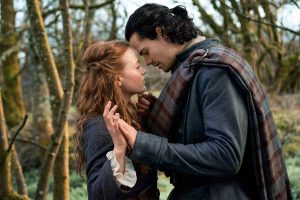
One of the most defining elements of Romeo and Juliet is the concept of forbidden love, with the lovers’ relationship thwarted by their families’ longstanding feud. This is a powerful narrative device that taps into the universal human experience of desiring what is out of reach, especially when societal or familial constraints prevent it. The tension between desire and duty is central to the emotional drama of the play, and this same theme is mirrored in Outlander: Blood of My Blood.
In Outlander, the first meeting between the characters is marked by a similar sense of forbidden attraction. In Outlander: Blood of My Blood, the protagonists are from different worlds, their love story threatened by external circumstances that they cannot control. Whether it’s the political or familial divide, the characters find themselves in the same position as Romeo and Juliet—caught between their love for each other and the impossibility of their union in the eyes of the larger world. The deep passion that sparks between them is fraught with danger, as they realize the barriers that stand between them.
Much like in Shakespeare’s play, the characters in Outlander: Blood of My Blood are pushed together by an overwhelming force of attraction, yet pulled apart by the responsibilities and conflicts they face. In both stories, love becomes a battleground, where the protagonists must fight not only for each other but also against the societal pressures that seek to keep them apart.
The parallel between the two works is clear: in both Outlander and Romeo and Juliet, love is not just a matter of personal choice; it is a collision of destiny, circumstance, and external conflict. The narrative tension arises from the protagonists’ attempt to navigate these forces while still following their hearts. The result is a compelling exploration of forbidden love, one that resonates with audiences because it taps into the universal longing for connection, no matter the obstacles.
The Role of Fate: How Outlander Mirrors Shakespeare’s Theme
At the heart of both Romeo and Juliet and Outlander lies the theme of fate. In Romeo and Juliet, the lovers are referred to as “star-crossed,” a term that suggests their love is doomed from the start, influenced by forces beyond their control. The inevitability of their tragic end is woven into the fabric of the play, creating an emotional tension that heightens the stakes of their love story. In many ways, fate becomes a character in itself, dictating the course of the romance and ensuring that the characters’ desires are never fully realized.
In Outlander: Blood of My Blood, the theme of fate also plays a significant role in shaping the characters’ relationship. Like Romeo and Juliet, the protagonists are swept into a love story that is marked by external pressures—whether they be political tensions, family allegiances, or the complications of time travel itself. The very nature of the Outlander series, with its emphasis on the conflict between different timelines and worlds, imbues the romance with a sense of inevitability, much like the tragic fate that hangs over the characters in Romeo and Juliet.
Fate, however, is not always a force for destruction. In both stories, fate is an unpredictable and complex force. While it brings the characters together, it also complicates their relationship, pushing them toward an uncertain future. In Outlander, fate does not always guarantee a tragic end; instead, it offers both challenges and opportunities for growth. This contrast in how fate operates within the two stories highlights different cultural and narrative approaches to the theme of predestined love. While Shakespeare’s play concludes with death and despair, Outlander provides a more nuanced exploration, where love and fate are intertwined, but with room for hope.
The Impact of Family and Social Conflict on Love
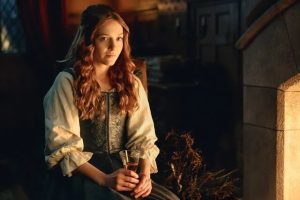
In both Romeo and Juliet and Outlander: Blood of My Blood, family conflict is one of the key driving forces of the narrative. In Shakespeare’s play, the feud between the Montagues and Capulets is the backdrop against which Romeo and Juliet’s love unfolds. The conflict between these two powerful families is so entrenched that it dictates the lovers’ every move. Their love is not only forbidden by family loyalty but also by the societal expectations of their time.
Similarly, in Outlander: Blood of My Blood, the protagonists’ love is complicated by family allegiances and the historical tensions that surround them. The characters in Outlander are often caught between their personal desires and the expectations placed on them by their families, whether it’s through arranged marriages, political alliances, or loyalty to their respective homes. These external pressures make the relationship more difficult to pursue, adding an additional layer of complexity to the romance.
The idea of family conflict as a barrier to love is universal, and it plays a pivotal role in both Romeo and Juliet and Outlander. The conflict between families forces the characters to make difficult choices, often leading them to question their loyalty and their desires. In Romeo and Juliet, the tragic ending is a direct result of this family conflict, as the lovers’ attempt to defy their families ultimately leads to their demise. In Outlander, the conflict may not always result in tragedy, but it does serve as a catalyst for the characters’ growth and the evolution of their relationship.
Both stories explore how love is never just a personal affair—it is always influenced by the social and familial expectations that surround it. The protagonists’ journeys are not just about love but also about reconciling their desires with the obligations imposed upon them by the world around them.
The Tragic Beauty of Romeo and Juliet and Outlander: Enduring Themes of Love and Sacrifice
At the heart of both Romeo and Juliet and Outlander: Blood of My Blood lies the enduring theme of love’s ability to transcend all obstacles, including the harshest of circumstances. Both stories depict love as something that is worth fighting for, even when the outcome seems impossible. In Romeo and Juliet, this love is tragic, culminating in the untimely deaths of both lovers. However, their love is also celebrated as pure and transcendent, a love that was strong enough to defy societal expectations and bring about profound changes.
In Outlander, while the outcome may not always be as tragic, the theme of love and sacrifice remains central. The characters in Outlander often find themselves caught in situations where they must make difficult choices, balancing their love for each other with the sacrifices required by the larger world. Their love story, much like that of Romeo and Juliet, is fraught with obstacles—be it time travel, political turmoil, or family strife—but the connection between the protagonists is undeniable and deeply meaningful.
Both stories highlight the idea that love is not just about personal happiness, but also about sacrifice, choice, and the courage to follow one’s heart even in the face of overwhelming odds. In Outlander, this theme is explored through the lens of time, history, and survival, while in Romeo and Juliet, it is more about the clash between youth and the unyielding forces of tradition and family loyalty. In both narratives, the characters’ ability to love and sacrifice for one another is what elevates their stories to a level of tragic beauty and emotional depth.
Conclusion: The Timeless Appeal of Star-Crossed Lovers
The themes of love, fate, and sacrifice in Outlander: Blood of My Blood resonate deeply with the enduring legacy of Romeo and Juliet. Both works explore the complexities of forbidden love and the challenges that arise when love is pitted against family, society, and destiny. Through their first meeting, the characters in Outlander mirror the passion and inevitability that characterize Romeo and Juliet’s relationship, demonstrating that the archetype of the star-crossed lover is timeless.
Whether in Shakespeare’s tragic masterpiece or in the modern storytelling of Outlander, the narrative of love against all odds continues to captivate audiences. These stories remind us that love is not just an emotion; it is a force that can shape destinies, inspire sacrifice, and transcend the barriers of time, culture, and family. As we watch these characters navigate their challenges, we are reminded of the universal desire for connection, the courage to follow our hearts, and the bittersweet nature of love itself.
The power of first encounters, the influence of fate, and the conflict of family and social expectations are themes that will continue to resonate for generations to come. In both Outlander and Romeo and Juliet, the allure of star-crossed love will remain an enduring part of the cultural imagination, a reminder of the power of love and the sacrifices it demands.
From torunstyle
