
World News
James Gunn’s Superman: Navigating the Global Box Office
Jul
The Rise of Superhero Movies and Their Global Appeal
Superhero films have taken over the global box office in recent years, with franchises like the Marvel Cinematic Universe (MCU) and DC’s extended universe dominating theaters worldwide. From The Avengers to Justice League, these films have achieved massive success, drawing audiences from all corners of the globe. However, despite the universal appeal of superhero narratives—often framed as tales of heroism, justice, and morality—global box office performance is not immune to political and cultural factors. One of the more complex challenges facing the genre today is how certain films are received in international markets, particularly when political sentiment and national perceptions influence audience behaviors.
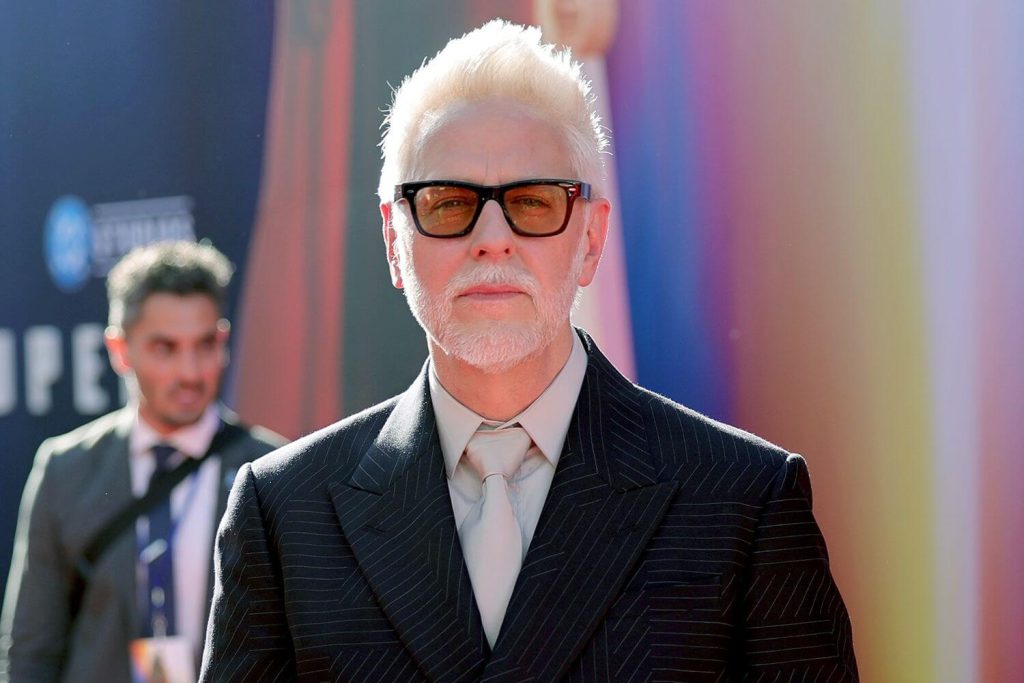
James Gunn, the director of several successful films in the superhero genre, recently made headlines by addressing the issue of anti-American sentiment and how it might negatively affect the performance of his upcoming Superman movie in international markets. Gunn’s remarks suggest that the cultural and political climate in certain countries may be influencing the box office numbers for American-made films, particularly those featuring American icons like Superman.
The question arises: How do geopolitical factors shape the performance of superhero films in international markets? Superhero films, with their inherently American roots and themes, are not impervious to these dynamics. While they can succeed globally due to their spectacle, action, and universal themes, anti-American sentiment in some regions has the potential to hurt their performance, regardless of the film’s content or artistic quality. Gunn’s observations highlight the fine line filmmakers must walk between creating a film with broad appeal and navigating political sensitivities that may affect audience reception in certain parts of the world.

James Gunn’s Leadership in the DC Universe: A New Vision for Superman
James Gunn, the visionary director behind Guardians of the Galaxy and the Suicide Squad reboot, was appointed to lead the DC Universe (DCU) in a bid to revitalize the brand and create a more cohesive and consistent cinematic universe. With his successful track record in the MCU, Gunn’s arrival at DC has been met with high expectations. The upcoming Superman: Legacy film is one of the first major projects under Gunn’s direction, and it represents a fresh start for the character of Superman, a cultural icon that has seen varying degrees of success in recent years.
Gunn’s approach to Superman is expected to be deeply personal, focusing on the hero’s humanity and his connection to the people of Earth. His take on Superman will undoubtedly reflect his signature style—blending humor, heart, and high-stakes action to tell compelling stories. However, his vision for the character might also encounter some hurdles in the global market, where differing political climates and international relations play a significant role in how films are received.
In his recent comments, Gunn acknowledged that anti-American sentiment in some countries could hinder the film’s success, especially given Superman’s status as an emblem of American ideals. The Man of Steel, often portrayed as a symbol of truth, justice, and the American way, is inherently tied to the United States, which can pose challenges for international reception, especially in regions where anti-American sentiment is strong. This reality underscores a significant challenge for Gunn as he looks to balance creating a Superman movie that resonates with both American audiences and international viewers.
Global Box Office Dynamics: The Influence of Political Sentiment
The global box office has become increasingly complex, with film studios and filmmakers needing to consider the cultural and political climates of multiple countries when planning their releases. Films that perform well in the United States, the world’s largest film market, are not guaranteed the same level of success abroad. Political tensions, national pride, and even diplomatic relations can affect how a film is received in different regions.
Anti-American sentiment, which can range from skepticism toward U.S. foreign policy to broader cultural and political criticisms, has the potential to influence how American films are perceived in certain countries. In regions where there is political tension with the U.S., American-made films featuring patriotic symbols—such as Superman, the embodiment of American ideals—may face more resistance. This resistance doesn’t necessarily stem from the film’s content but rather from the political context in which it is viewed.
For example, countries with strained relations with the U.S., such as Russia, China, and some Middle Eastern nations, may exhibit reluctance to embrace films that heavily feature American symbolism. In these regions, films that are seen as overly patriotic or tied to American exceptionalism can face backlash, affecting their box office performance. The situation is complicated further by censorship regulations, which often restrict content that is deemed politically sensitive or objectionable. This makes the global distribution of American films a delicate matter, requiring studios and filmmakers to navigate international politics while staying true to the artistic vision of the film.
In the case of Superman: Legacy, Gunn faces the challenge of creating a film that can perform well in a competitive global market, while also considering how certain cultural and political dynamics might impact its reception. Gunn’s comments serve as a reminder that even the most anticipated superhero films are not immune to the global forces that shape how films are consumed.

Superman’s Symbolism: From Patriotism to Global Icon
Superman’s cultural significance goes beyond his comic book origins. He is a symbol of justice, heroism, and hope. However, his deep ties to American values—often depicted in his iconic slogan, “Truth, justice, and the American way”—make him a figure that is inherently linked to American identity. This connection can be a double-edged sword for filmmakers seeking to market Superman to international audiences.
Superman’s origins in Action Comics in 1938 reflect the political and social climate of the time. Created by Jerry Siegel and Joe Shuster, two Jewish creators from Cleveland, Ohio, Superman was initially portrayed as a symbol of strength and moral righteousness, fighting for the oppressed. Over the decades, however, Superman has become more closely associated with American patriotism, especially during the Cold War, when his battles against foreign enemies were seen as a reflection of America’s ideological struggle against communism.
Today, Superman is seen as a global icon. However, his connection to American ideals can make him more polarizing in regions where anti-American sentiment is prevalent. In countries where there is skepticism about U.S. foreign policy or where American cultural imperialism is criticized, Superman’s image as an American hero may not carry the same universal appeal. For instance, in markets like China or Russia, where tensions with the U.S. are more pronounced, films with overt American symbolism may struggle to gain traction. This can significantly affect a film’s international box office performance, making it more difficult for filmmakers to achieve global success.
James Gunn’s challenge is not just about creating a film that appeals to American audiences; it’s about making a movie that can resonate with a diverse range of viewers across different countries and cultural backgrounds. The question becomes: can Superman still be a universally beloved hero if his story is so closely tied to American identity? Gunn’s handling of this issue will be crucial to the film’s international reception.
San Francisco Giants X Superman 2025 Limited Edition Baseball Jersey
The Future of Global Film Distribution: Navigating Political Sensitivities
James Gunn’s acknowledgment of the impact that anti-American sentiment can have on Superman’s international box office performance points to a broader issue in the entertainment industry: the challenge of navigating political sensitivities in an increasingly globalized world. As studios and filmmakers push to create films with global appeal, they must consider how international markets will respond to themes, characters, and symbols that are tied to specific national identities.
The future of global film distribution will likely involve more nuanced approaches to international marketing and content creation. Filmmakers may need to tailor their films to fit within the cultural and political realities of different regions without compromising their artistic vision. This could involve subtle changes in the way American ideals are portrayed, or it could mean focusing more on universal themes that can transcend national boundaries. For instance, Superman’s story could be framed in such a way that emphasizes his role as a global protector of justice, rather than solely focusing on his ties to the U.S. This approach could help mitigate some of the political sensitivities that arise in international markets.
However, this delicate balance is not without its challenges. There is always the risk that changes made to appease international markets could alienate domestic audiences, who expect the character to remain true to his roots. Gunn, known for his creative and often daring filmmaking style, will need to find a way to navigate this tricky terrain while maintaining the essence of Superman as a symbol of hope and justice.
New York Yankees X Superman “Man of Steel” 2025 Limited Edition Baseball Jersey
Conclusion: James Gunn’s Superman and the Global Box Office Challenge
James Gunn’s Superman: Legacy is poised to be one of the most significant superhero films of the decade. However, its success in international markets may be impacted by the complex interplay between cultural and political sentiment. Anti-American sentiment, while not the sole factor affecting box office performance, is a significant consideration for filmmakers trying to make a global impact. Superman’s deep ties to American values could present challenges in markets where anti-U.S. sentiment is prevalent, and Gunn’s comments reflect his awareness of these realities.
As the global film industry continues to evolve, filmmakers will need to carefully consider how political climates affect the reception of their work. While superhero films have achieved immense success around the world, the challenges of appealing to diverse audiences will only become more complex. James Gunn’s ability to create a Superman that resonates globally, while staying true to the character’s American roots, will be a crucial factor in determining the film’s success.
The future of global film distribution is one of adaptability and sensitivity. As we move into a new era of filmmaking, the intersection of culture, politics, and entertainment will continue to shape the landscape of the international box office. For now, Gunn’s Superman will stand as a test case for how American icons can navigate the global stage in an increasingly politically charged world.
From torunstyle
