
World News
Bruce Springsteen’s Reluctance to Relive His Past: Why He Stayed Away from His Biopic Set
Jun
Introduction: The Struggles of Portraying a Life on Screen
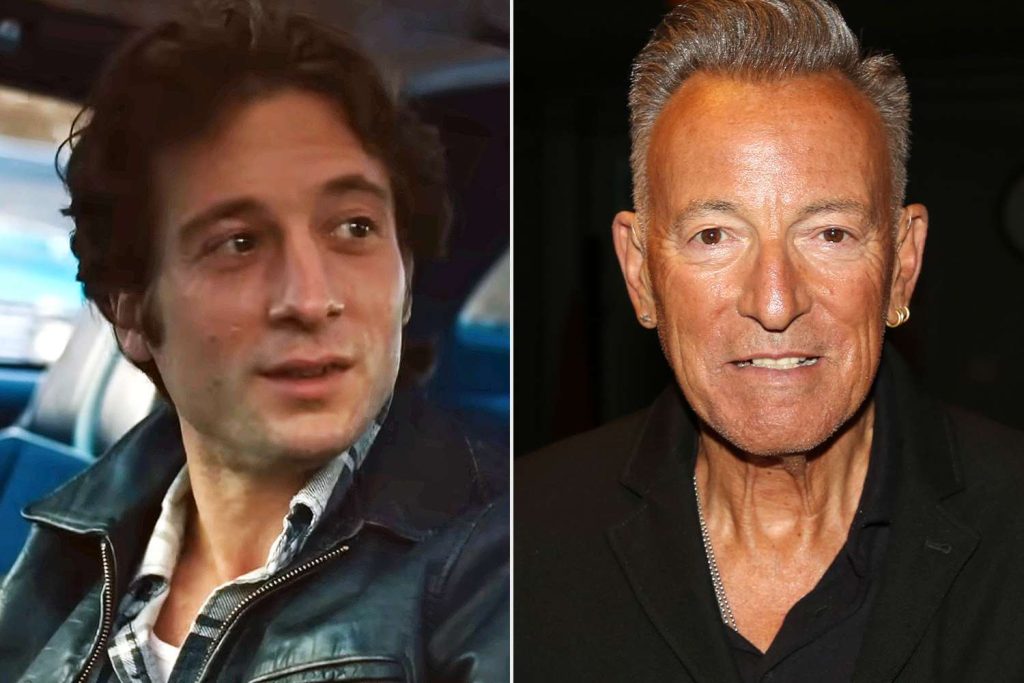
Bruce Springsteen, the iconic musician known for his raw, emotional lyrics and captivating stage presence, has always been known to keep his personal life somewhat private. Despite his fame and success, Springsteen’s journey from a working-class New Jersey upbringing to global superstardom is a story that is both universal and deeply personal. Yet, when it came time to create a film that would document his life, Springsteen made an unusual choice: he decided to stay away from the set of his biopic. This decision, driven by his deeply personal connection to the scenes being portrayed, reveals much about Springsteen’s reluctance to revisit the painful memories of his past.
In this article, we will explore Springsteen’s reasons for distancing himself from the set, the deeply personal nature of the biographical film, and the broader implications for artists and public figures who have to reconcile their personal histories with public representations of their lives. Through this lens, we will understand why even an artist as iconic as Springsteen might choose to protect his inner world from the scrutiny of the film industry.
The Making of the Biopic: A Challenge of Personal and Artistic Boundaries
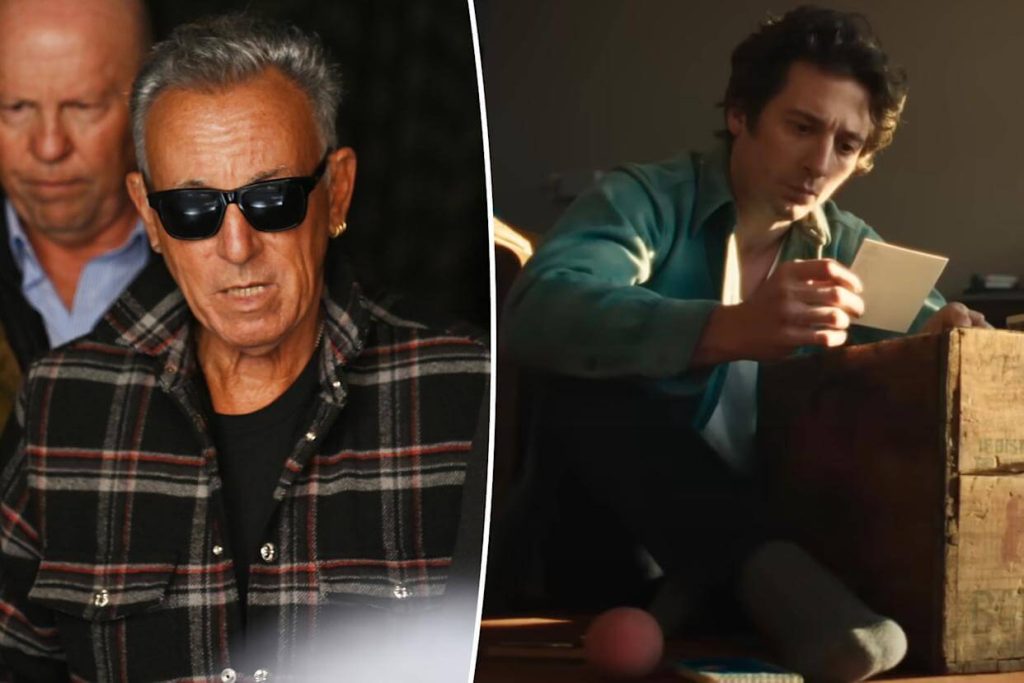
The decision to turn one’s life into a biographical film is not one that comes lightly. For many artists, it’s a way to capture their legacy, share their story with the world, and provide insight into the experiences that shaped their art. In Springsteen’s case, the biopic was tied to his memoir Born to Run, a deeply reflective book that explored not just his rise to fame but also his struggles with family, identity, and mental health.
However, despite the memoir’s success and the public’s interest in his life, the biopic posed a unique challenge for Springsteen. The film was set to explore some of the most intimate and painful moments of his life. Scenes depicting his troubled relationship with his father, his experiences with depression, and his efforts to reconcile his public persona with his private self were among the most deeply personal aspects of the story. It’s these kinds of moments that Springsteen felt were too raw to relive in front of a camera.
While many artists would feel compelled to offer their personal guidance on the set of a biopic, Springsteen chose to remain at a distance. His decision was likely motivated by a desire to protect himself from the emotional toll of revisiting these painful moments. He had already shared much of his personal journey in his music and writing, and perhaps there was a sense of wanting to preserve a certain distance between his public persona and the vulnerability required for an actor to fully embody his experiences.
The Emotional Weight of Springsteen’s Personal Story
At the heart of Springsteen’s reluctance to be present on the set of his biopic was the emotional weight of his personal story. As an artist, Springsteen has always been known for his authenticity, using his music to speak about the struggles and triumphs of ordinary people. His songs, such as “The River” and “Jungleland,” are filled with vivid, often heartbreaking depictions of life in working-class America.
Yet, these songs are not just fictional narratives—they are reflections of Springsteen’s own experiences. His relationship with his father, in particular, has been a source of pain throughout his life. Springsteen’s father, Doug, was a complex and often difficult figure, and much of Springsteen’s music touches on the emotional scars left by their strained relationship. It’s no wonder, then, that the scenes exploring this father-son dynamic in the biopic would be difficult for Springsteen to engage with.
Moreover, Springsteen has been open about his battles with mental health, including depression and feelings of isolation. These deeply personal struggles were a central theme in Born to Run and were bound to feature prominently in the film. The idea of allowing actors to portray these aspects of his life on screen may have felt too exposing, given the vulnerability it required.
The decision to step away from the set likely stemmed from a desire to protect both his emotional well-being and the integrity of the personal story being told. It’s one thing to write about your past in the form of music or memoir, but it’s another to see those moments reenacted in front of a camera. The emotional toll of revisiting those experiences in a public setting may have been more than Springsteen was willing to bear.
Recreating the Past: The Power and Limitations of Biographical Films
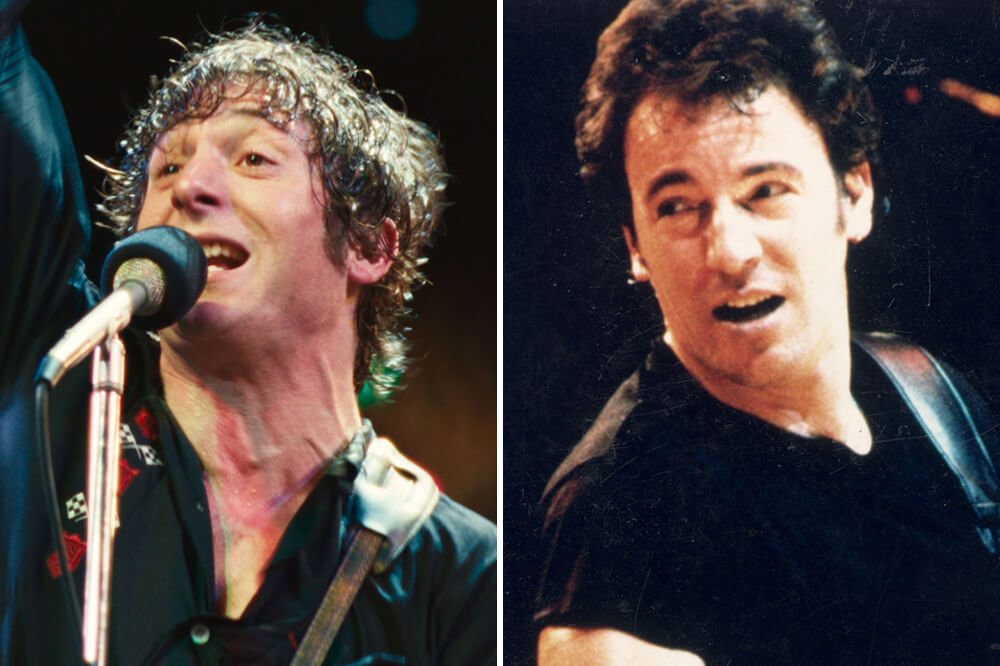
While biographical films can be a powerful medium for sharing the stories of legendary figures, they are also fraught with limitations. No matter how skilled the filmmakers or how closely the actors study the source material, the film can never fully capture the complexity and nuance of the real-life experiences being portrayed. In Springsteen’s case, the decision to allow actors to portray him and his family members on screen might have felt like an intrusion into deeply personal territory.
Biographical films often face criticism for their tendency to oversimplify or distort the facts in order to fit the narrative structure of a movie. This can be especially problematic for artists like Springsteen, whose life and work are built on nuance, subtlety, and the intersection of personal and societal history. The risk of misinterpretation or simplification of his story may have been something he was unwilling to allow.
Additionally, the film industry has a tendency to focus on certain dramatic moments or elements of a person’s life that may not necessarily define their entire experience. For example, many biopics emphasize moments of triumph or crisis, often glossing over the quieter, more introspective moments that make up the full picture of someone’s life. Springsteen, who has spent much of his career exploring the complexity of human emotion, might have felt that the film industry was ill-suited to capture the subtleties of his journey.
Springsteen’s Legacy: The Importance of Protecting His Personal Narrative
One of the central reasons for Springsteen’s decision to stay away from the biopic set is the importance of protecting his personal narrative. As an artist, he has always controlled the way his story is told—whether through his music, his memoir, or public interviews. The act of handing over control of that narrative to a film crew may have felt like a loss of agency.
Moreover, Springsteen’s desire to protect his personal life reflects a broader cultural conversation about the rights of public figures to control their own stories. In an age where social media and the entertainment industry often blur the lines between public and private lives, it’s becoming increasingly difficult for artists to maintain control over how they are perceived. For Springsteen, staying away from the biopic set may have been his way of asserting that his personal life was his own to tell, on his own terms.
This sense of ownership over his narrative is not unique to Springsteen. Many artists and public figures have expressed discomfort with the idea of biographical films or unauthorized portrayals of their lives. While these films can provide insight into a person’s journey, they can also reduce a lifetime of experiences into a two-hour narrative that does not capture the full complexity of who they are.
Conclusion: Bruce Springsteen’s Legacy Beyond the Biopic
Bruce Springsteen’s decision to stay away from his biopic set is a testament to the complexity of his life and art. As an artist, he has always been deeply committed to telling his own story on his own terms. Whether through his songs or his memoir, Springsteen has shared his struggles and triumphs with the world in a way that feels authentic and true to his experience. The decision to stay away from the set of his biopic reflects a desire to protect that authenticity and to keep the most personal aspects of his life private.
In a world where celebrities are often reduced to their on-screen personas, Springsteen’s decision to distance himself from the biopic highlights the importance of maintaining control over one’s personal narrative. For Springsteen, the power of his legacy lies not in how others choose to tell his story but in how he has chosen to share it with the world.
From torunstyle
